
- Dry Ridge & Dry Verge
Dry Ridge & Dry Verge
Modern mechanical dry ridge and dry verge systems across Hampshire, Dorset and Surrey. Stronger, cleaner and more permanent than traditional mortar, fully compliant with current British Standards, and built to last the lifetime of the roof beneath.
Why Mortar Ridges and Verges Don't Last
For most of the twentieth century, ridge tiles and verge tiles were bedded onto sand and cement mortar. It worked, mostly, until the mortar started cracking. Mortar and clay (or concrete) expand and contract at different rates through every hot summer and cold winter, and after a couple of decades the mortar joints fail. Ridge tiles slide. Verge tiles drop. Water gets under what should be the most watertight part of the roof, and once it’s in, it spreads.
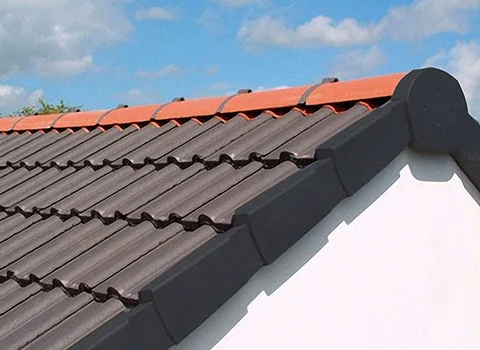
Dry ridge and dry verge systems solve the problem properly. Each ridge tile is mechanically clamped to the ridge batten with a stainless steel screw and a weather-sealing union. Each verge tile is fixed with a continuous uPVC verge unit that locks the tiles down at the gable end. No mortar to crack. No sliding tiles. No water ingress at the highest, most exposed parts of the roof.
They’ve been the recommended approach in BS 5534 (the British Standard for slating and tiling) since 2014, which is why all new builds and most modern re-roofs use them as standard. We retrofit them to existing properties across the South of England, which usually saves homeowners money in the long run because the system never needs the sort of repointing and rebedding work that traditional mortar ridges demand.
The Benefits of Dry Ridge & Dry Verge Systems
Dry Ridge Installation
We fit dry ridge to new roofs and as a retrofit upgrade to existing roofs. The ridge tiles sit on a continuous roll-out underlay strip that closes the gap between the two roof slopes, with each ridge tile mechanically clamped to a ridge batten using stainless steel fixings. The whole assembly is locked together permanently with no mortar involved at any point. Once it's on, it stays on.
Dry Verge Installation
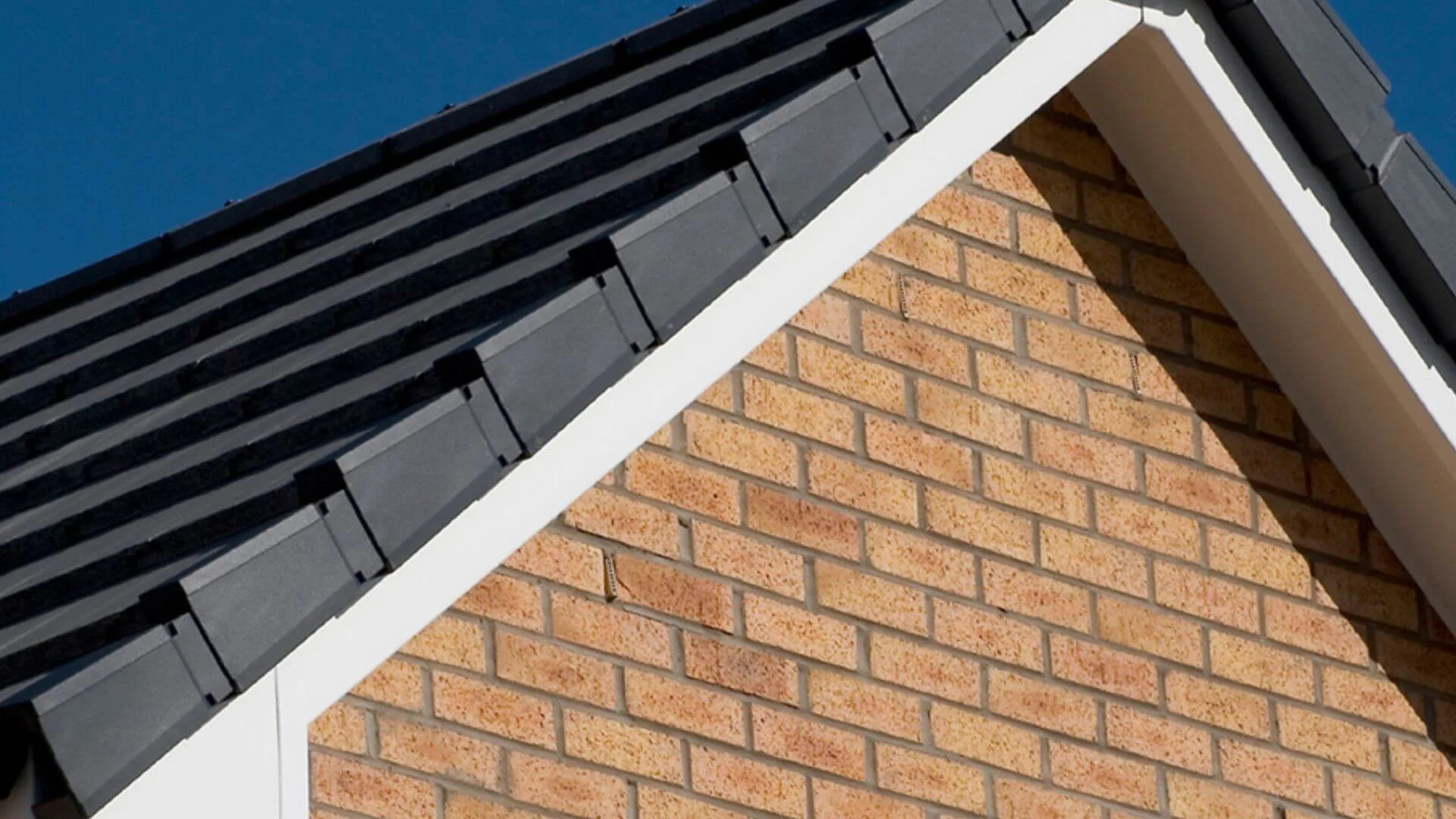
Dry verge runs along the gable ends of the roof, where the tiles meet the gable wall. Traditional mortared verges are fragile and prone to cracking, especially on south-facing or exposed gables. Dry verge units clip over each tile end individually, lock down to the verge batten, and present a clean continuous edge that won't loosen, crumble or let water in. Available in colours to match all common tile and slate finishes.
Mortar Ridge to Dry Fix Conversion
If your existing ridge or verge mortar is failing, you have two real options. Repoint and rebed the traditional way, which buys another couple of decades but eventually fails again, or convert the whole run to a mechanical dry fix system that won't need attention again. We strip the old mortared ridges or verges off, clean and inspect the tiles below, then install a complete dry fix system using your existing tiles wherever possible.
Dry Ridge & Dry Verge Repairs
Dry systems can fail too, just less often than mortar. The most common issues are individual missing or damaged unions on a ridge run, displaced verge units after high winds (especially on poorly fitted installations), and degraded weather-seal foam where the system has been on for fifteen years or more. We repair all of the above, sourcing replacement parts in the original system where possible. For broader roof diagnostics, see our Roof Repairs page.
Ventilated Dry Ridge Systems
Modern dry ridge systems don't just fix the tiles, they also ventilate the roof void. Current Building Regulations require eaves-to-ridge ventilation on most pitched roofs to prevent condensation forming on the rafters and insulation. The ventilated dry ridge underlay strip allows warm moist air to escape from inside the roof void while keeping rain, snow and wildlife firmly outside. On retrofits, we can often improve roof ventilation significantly as part of the conversion.
Dry Hip Installation
Hipped roofs (where two slopes meet at an external corner rather than a flat gable) need their own version of dry fix. Dry hip systems clamp the hip tiles to the hip rafter mechanically, with a continuous weather-sealing strip underneath that closes the gap to the slope tiles either side. We fit dry hip alongside dry ridge on new roofs, and retrofit it on existing hipped properties where mortared hips are starting to fail.
Our Services
Mortar Ridges Cracking?
Failed mortar lets water into the highest, most vulnerable part of your roof. Book a free survey and we’ll tell you whether a repoint is enough, or whether converting to a dry fix system makes more sense long term.
A One-Off Job That Saves You Future Headaches
Converting your ridges and verges to a dry fix system isn’t the cheapest job in the short term. It’s the cheapest job over thirty years. Mortar ridges need attention every twenty to twenty-five years on average. Dry fix systems, properly fitted, last the lifetime of the roof beneath them. Do the maths.
Get in touch for a free, no-obligation survey. We’ll come out, check what state your existing ridges and verges are in, and give you a written quote covering both options so you can make an informed decision.
Three Layers of Cover on Every System
Every dry ridge and dry verge installation we carry out is backed properly:
Written Workmanship Guarantee
Full dry ridge and dry verge installations carry substantial workmanship cover, in writing, from day one. Smaller repair and repair-only jobs carry written cover specific to the scope. Either way, you'll have it on paper before any work starts.
Insurance-Backed via CORC
Confederation of Roofing Contractors membership means our workmanship guarantee is insurance-backed by the CORC scheme. If for any reason MGP Roofing couldn't honour it ourselves, the underwriter steps in. That's a level of protection most installers simply can't match.
Manufacturer System Warranty
The dry ridge and dry verge components themselves come with manufacturer warranties separate from our workmanship cover. Major manufacturers like Marley, Klober, Manthorpe and Hambleside Danelaw warrant their systems for periods ranging from 15 to 30 years depending on the product.
F. A. Q
Frequently Asked Questions
Common questions homeowners ask us about dry ridge and dry verge. If yours isn’t here, give us a ring on 07304 092761 and we’ll talk it through.
BS 5534 (the British Standard for slating and tiling) was updated in 2014 to recommend mechanical fixing of all ridge, hip and verge tiles. The change came after years of evidence that mortar fixing alone is unreliable in the long term. Since 2014, all new builds and most major re-roofs use dry fix as standard. Older properties still on mortared ridges and verges are not breaking any rules, but they are now using an outdated method that the industry has moved on from.
Yes. Conversion is one of the most common jobs we do on this. We strip off the old mortar and ridge tiles, inspect and clean the tiles either side, fit the dry ridge underlay strip and ridge batten, then re-bed the original ridge tiles (where they're still sound) onto the dry system using stainless steel fixings. Where ridge tiles have been broken or chipped during the original fitting, we replace those individually.
Stronger, in practice. Mortar relies on adhesion to the tiles and the gable wall, which weakens over time. Dry verge units clip over each tile and lock down mechanically to a verge batten, which is a far more secure long-term fix. Properly fitted dry verge resists wind uplift better than properly fitted mortared verge does, and stays that way for decades.
Slightly, but not in a way most people notice once it's done. Dry verge units present a continuous clean edge along the gable, replacing what would have been a mortared bedding line. Dry ridge looks essentially identical to a properly mortared ridge from the ground. Colours are matched to your tile or slate finish so the system blends in rather than standing out.
Often yes, especially on retrofits. Older properties were built before current Building Regulations required eaves-to-ridge ventilation, and many roof voids are poorly ventilated. Switching to a ventilated dry ridge underlay during a conversion provides a continuous ventilation path along the entire ridge, which reduces condensation problems on rafters and insulation in the roof void.
Modern dry ridge systems are designed for individual component replacement. If a ridge tile cracks, the union sits over a fracture, or a verge unit gets knocked off in a storm, we can swap individual parts without disturbing the rest of the run. Most components are still in production from the original manufacturer fifteen to twenty years later.
Yes. £10 million public liability insurance covers every job, from a single repair to a full ridge and verge conversion. A copy of the certificate can be provided with your quote.
What We Use :