
- ROOF REPAIRS
Roof Repairs in Chichester
Local roof repair specialists working across Chichester and surrounding West Sussex villages, from the Conservation Area within the city walls to the harbour villages of Bosham and the Witterings, the Selsey peninsula and the rural Downs villages. Heritage-grade craftsmanship and modern repair work, all done properly.
Why Chichester Demands a Different Approach
Chichester is unlike anywhere else we work. Founded by the Romans nearly two thousand years ago, the city centre still follows the original four-quarter street plan, with North Street, South Street, East Street and West Street meeting at the Market Cross under the shadow of the Cathedral. The entire historic core within the city walls is a Conservation Area of national significance, with hundreds of listed buildings (many Grade I and Grade II*), and any visible roof work generally requires Listed Building Consent or Conservation Area Consent from Chichester District Council before it can begin.
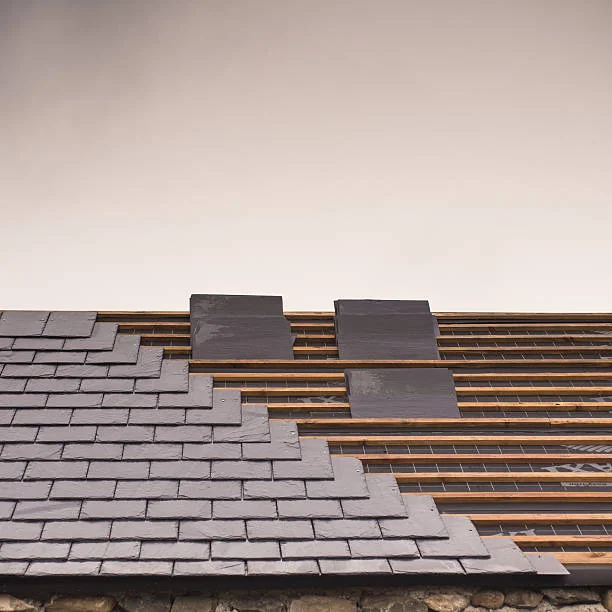
That’s a fundamentally different operating context to a typical Hampshire roofing job. Heritage materials matter, traditional techniques matter, conservation officer relationships matter, and roofers who’ve never worked in this environment can cause genuine, irreversible damage to historic fabric in a few hours. We’ve been working in Chichester’s Conservation Area for over twenty years, sourcing reclaimed Welsh slate, Horsham stone slabs and weathered clay peg tiles, dressing lead by hand to traditional patterns, and working in lime mortars on lime-built historic walls. We work properly through the consent process where it’s needed, and we know which jobs require it and which don’t.
Beyond the city walls, Chichester District covers a wide rural area extending south to the harbour, west to the Hampshire border, north to the South Downs and east towards Arundel. Each area brings its own roofing characteristics, from the salt-exposed clay-tile sailing villages of the harbour to the flint-and-brick cottages of the Downs villages and the post-war bungalow developments along the Selsey peninsula. We cover all of it.

Common Reasons Spray Foam Needs to Be Removed
Period seafront properties, Victorian terraces and the city's most weather-exposed homes. Salt corrosion of fixings, lead flashing failures, slate nail sickness and wind-driven rain ingress are the common calls. We handle a lot of repair and re-fixing work along the seafront and through the back streets running up from the front.
Densely packed Victorian and Edwardian terraced housing with hipped roofs, bay window valleys, parapet walls and chimney breasts that share a party wall with the neighbours. Common problems include failed valley flashings, slipped slates from the back slopes, and pointing failure on parapets between properties.
Roof Repairs Across Chichester District
Chichester District covers a substantial area of West Sussex, taking in the city itself, a string of harbour villages, the Selsey peninsula, the rural villages of the Downs and a number of established suburbs. Each area has its own typical housing stock and roofing requirements. Here’s where we work and what we typically encounter.
The historic core, including North, South, East and West Streets, the Pallants (Georgian terraces of national architectural significance), and the Cathedral Close. Every property here is in the Conservation Area, with a substantial proportion listed Grade I, II* or II. Heritage materials only. Conservation officer liaison and Listed Building Consent are part of the standard process. Welsh slate, Horsham stone slab and clay peg tile work all routine.
Established residential suburbs immediately outside the walls, ranging from late Victorian terraces through 1930s-50s semi-detached housing to modern developments. Mixed roof stock with both natural slate and concrete tiles. Common work includes slipped tile repair, pointing on chimney stacks, and end-of-life gutter and fascia replacement on properties built between 1900 and 1970.
Sailing villages around Chichester Harbour, with substantial period cottages, weatherboarded houses and brick-and-flint properties. Roofs here are exposed to genuine salt-laden conditions from the harbour, accelerating fixing corrosion on slate roofs. Heritage matching is common, particularly in Bosham village core which is a Conservation Area in its own right and home to many listed buildings dating from the medieval period onwards.
Coastal harbour-mouth villages with a mix of period cottages, inter-war seaside housing and substantial more modern detached homes. Direct exposure to the prevailing south-westerlies coming up the harbour means wind uplift on tiles and slates is a frequent issue, particularly on the more exposed properties along Wittering beach front. Salt corrosion of fixings is also significant.
Selsey itself plus the surrounding peninsula villages of Sidlesham, Donnington and Hunston. Heavily developed during the 20th century with bungalows, chalet bungalows and seaside developments. Roof stock is dominated by 1930s-1970s concrete tile and clay tile bungalows, many of which are now reaching end-of-life on their original surface coatings. Major exposed coastal location with the strongest salt and wind exposure of anywhere in the district.
Lavant, East Dean, Boxgrove, Tangmere, Oving and the wider rural area extending up to and over the South Downs. Property stock here is mostly period cottages (flint and brick predominantly), Georgian and Victorian rectories and farmhouses, and post-war infill housing. Heritage matching, traditional techniques and conservation work are the norm. Many villages have their own Conservation Areas with similar consent requirements to the city centre.
Mix of older terraces, post-war housing and dockyard-era properties. Roofs here often combine original Victorian elements with later flat-roof extensions, which creates a lot of awkward junctions where leaks tend to develop. Lead flashing repair and flat-roof patching is regular work.
Inter-war and post-war suburban housing, mostly with concrete interlocking tiles on standard pitched roofs. Common issues are slipped or cracked tiles, mortar ridge failures and aged gutters. The exposure is slightly less than central Portsmouth but still well above inland averages.
1950s and 1960s estates, mostly concrete tile roofs reaching the end of their original surface coating life. Moss takes hold quickly here due to surrounding green space, and we see a lot of repair work alongside moss removal jobs.
Mix of Victorian terraces near the seafront and inter-war semi-detached housing further inland. Eastney in particular gets the worst of the south-easterly storms that sweep up the Solent, and we see significant wind damage callouts after every named winter storm.
Our Services
Roof Leaking in Chichester?
Slate slipped on a listed property. Tiles down after a Selsey storm. Lead failed on the chimney. Call us on 07304 092761 between 7am and 8pm, 7 days a week. We keep capacity free for genuine Chichester emergencies.
The historic core, including North, South, East and West Streets, the Pallants (Georgian terraces of national architectural significance), and the Cathedral Close. Every property here is in the Conservation Area, with a substantial proportion listed Grade I, II* or II. Heritage materials only. Conservation officer liaison and Listed Building Consent are part of the standard process. Welsh slate, Horsham stone slab and clay peg tile work all routine.
Established residential suburbs immediately outside the walls, ranging from late Victorian terraces through 1930s-50s semi-detached housing to modern developments. Mixed roof stock with both natural slate and concrete tiles. Common work includes slipped tile repair, pointing on chimney stacks, and end-of-life gutter and fascia replacement on properties built between 1900 and 1970.
Sailing villages around Chichester Harbour, with substantial period cottages, weatherboarded houses and brick-and-flint properties. Roofs here are exposed to genuine salt-laden conditions from the harbour, accelerating fixing corrosion on slate roofs. Heritage matching is common, particularly in Bosham village core which is a Conservation Area in its own right and home to many listed buildings dating from the medieval period onwards.
Coastal harbour-mouth villages with a mix of period cottages, inter-war seaside housing and substantial more modern detached homes. Direct exposure to the prevailing south-westerlies coming up the harbour means wind uplift on tiles and slates is a frequent issue, particularly on the more exposed properties along Wittering beach front. Salt corrosion of fixings is also significant.
Selsey itself plus the surrounding peninsula villages of Sidlesham, Donnington and Hunston. Heavily developed during the 20th century with bungalows, chalet bungalows and seaside developments. Roof stock is dominated by 1930s-1970s concrete tile and clay tile bungalows, many of which are now reaching end-of-life on their original surface coatings. Major exposed coastal location with the strongest salt and wind exposure of anywhere in the district.
Lavant, East Dean, Boxgrove, Tangmere, Oving and the wider rural area extending up to and over the South Downs. Property stock here is mostly period cottages (flint and brick predominantly), Georgian and Victorian rectories and farmhouses, and post-war infill housing. Heritage matching, traditional techniques and conservation work are the norm. Many villages have their own Conservation Areas with similar consent requirements to the city centre.
What We See Most Often on Chichester Roofs
Twenty years working across the district has shown us a clear pattern of what Chichester roofs typically need. The mix of historic city core, harbour villages, coastal peninsula and rural Downs villages each bring their own roofing characteristics. Here are the issues we encounter most often.
Heritage Slate and Stone Slab Matching
The city centre and surrounding listed properties typically require reclaimed Welsh slate, Horsham stone slab or genuine weathered clay peg tile to match originals. Modern equivalents are rarely acceptable in the Conservation Area, and conservation officers frequently reject inappropriate substitutions during the consent process. We work with regional reclamation yards that specialise in genuine heritage materials sourced from carefully de-roofed historic buildings, and we've built those relationships over twenty years.
Salt Corrosion in Harbour-Adjacent Properties
Bosham, Fishbourne, Itchenor, the Witterings and parts of the Selsey peninsula all sit close enough to harbour or open sea to suffer significant salt-laden air exposure. The visible effect is corrosion of metal fixings on slate roofs, leading to nail sickness and slate loss earlier than inland equivalents. We re-fix with copper or stainless steel slate hooks where re-nailing won't last, and we recommend specifying coastal-grade fixings on any new work in these areas.
Listed Building Consent and Conservation Officer Liaison
A substantial proportion of our Chichester work involves properties where consent is required before any visible roof work can begin. We're familiar with Chichester District Council's consent process, work positively with their conservation officers, and can advise homeowners through the application stage. Importantly, we also know which jobs are like-for-like repair work that does not require consent, which saves homeowners unnecessary process where it isn't actually needed.
Bungalow Roof End-of-Life Across Selsey
The Selsey peninsula has a very high concentration of 1930s through 1970s bungalow housing, much of it built rapidly during seaside development booms. Original roof coverings (concrete tiles predominantly) are now reaching the end of their working life across the area, with widespread surface coating breakdown, slipped tiles after storms and tired underlay. We carry out both targeted repair work and full re-roof projects across the peninsula.
Storm Damage From Coastal Exposure
The Witterings, Selsey and Bosham harbour properties take the full force of weather coming up the English Channel and the Solent. We see consistent spikes in call-outs after every named winter storm, particularly involving lifted ridges, slipped tiles, lead flashing failures and damaged chimney pots. Documentation of damage for insurance claims is part of our standard storm-response work.
Flint and Brick Cottage Roofing in the Downs Villages
Lavant, East Dean, Boxgrove and the wider rural villages contain a substantial number of period flint-and-brick cottages with traditional clay tile or natural slate roofs. The walls are typically lime-built and need lime mortar pointing on chimney stacks (modern cement causes long-term damage to historic flint masonry). We work in appropriate lime mortars, source matching reclaimed materials where needed, and respect the traditional vernacular architecture rather than imposing modern materials on historic fabric.
Our Full Roof Repair Service
This page focuses specifically on Chichester roofs and the conditions found across the district. For full detail on every aspect of our roof repair service, including emergency response, leak detection, slate and tile repair, chimney work, lead and flashing, dry ridge and dry verge repair, fascia and gutter work and more, see our main Roof Repairs page.
Local Roofers Who Understand Chichester's Heritage Demands
Chichester roofing isn’t a job for any general roofer. The Conservation Area within the walls and the listed properties throughout the district need craftsmen with genuine heritage experience, established reclaimed-material sourcing and a proper working relationship with conservation officers. Get the wrong roofer and you risk irreversible damage to historic fabric, refused planning consent or enforcement action from the council. Twenty years of working in Chichester’s heritage environment means we’ll handle your property with the respect it deserves.
Get in touch for a free, no-obligation Chichester survey. We’ll come out, assess what’s actually needed, and give you written advice including consent requirements where relevant.
Every Chichester Repair Backed in Writing
Every roof repair we carry out in Chichester is backed three ways:
You'll get a written guarantee specific to the work carried out. Patch repairs typically carry 12 months. Larger sectional work, lead re-dressing, heritage stone slab and clay peg tile work come with longer cover. We confirm the exact terms in writing before any work starts.
Confederation of Roofing Contractors membership means our guarantees are insurance-backed by the CORC scheme. If for any reason MGP Roofing couldn't honour a guarantee, the underwriter steps in. That's protection most local Chichester roofers simply don't have.
Every job in Chichester is fully covered by our £10 million public liability insurance. Listed buildings carry particular liability sensitivity, and proper insurance is non-negotiable when working on Conservation Area properties or properties of historic significance.
F. A. Q
Chichester Roof Repair Questions
Common questions we get asked specifically by Chichester homeowners. For more general roof repair questions, see our main Roof Repairs page. If yours isn’t covered here, give us a ring on 07304 092761.
Yes. We cover Chichester city, the surrounding suburbs (Whyke, Parklands, Summersdale, Stockbridge, Fishbourne), the harbour villages (Bosham, Itchenor, the Witterings, Birdham), the Selsey peninsula (Selsey, Sidlesham, Donnington, Hunston) and the rural Downs villages (Lavant, East Dean, Boxgrove, Tangmere, Oving). Postcodes covered include all PO18, PO19 and PO20 areas. Not sure whether we cover your specific address? Give us a ring on 07304 092761.
Most likely yes. The Pallants are within the Chichester Conservation Area and many properties are individually listed. Listed Building Consent is required for any work that affects the character of a listed building, and Conservation Area Consent applies more broadly. We'll advise honestly at survey: like-for-like repair using matching materials usually doesn't need consent, but anything involving material change typically does. We can support the application process where needed.
Yes. We work with regional reclamation yards specialising in heritage materials, including reclaimed Welsh slate (which has been the standard slate for high-quality South Coast roofing for over a century) and genuine Horsham stone slab (a uniquely heavy West Sussex roofing material now only available reclaimed). Sourcing the right material is often the longest part of the job, and we take the time to get it right.
Salt-laden air. The harbour at Bosham brings continuous salt exposure that corrodes the iron nails holding slates onto the roof. This is called nail sickness, and it can cause individual slates to start dropping off 10 to 20 years earlier than equivalent inland properties. Re-fixing with copper or stainless steel slate hooks, and specifying coastal-grade fixings on new work, are both effective solutions.
Depends on the underlay. If the underlay is still sound and only the surface coating has broken down, targeted tile replacement combined with proper moss treatment may give you another 10 to 15 years. If the underlay is also at end-of-life, which is common on coastal Selsey bungalows of this era, a full strip and re-roof in modern materials with current Building Regulations ventilation is usually the better long-term answer. We'll give you an honest assessment at the free survey.
Modern cement mortar is harder and less breathable than the lime-based mortars used in pre-1900 properties. When you point a lime-built wall with cement, it traps moisture inside the wall, prevents the lime from curing properly and can damage the surrounding flint, brick or stone over time. On historic Chichester properties (city centre and rural villages alike), pointing in matched lime mortar is essential for the long-term health of the building. We use lime when the property requires it.
Yes. Chichester is well within our standard service area, and we keep diary capacity reserved for emergency call-outs across the district. Within our opening hours of 7am to 8pm, 7 days a week, we'll typically attend genuine Chichester emergencies the same day. Ring 07304 092761 directly rather than using the contact form for time-sensitive issues.
Yes. £10 million public liability insurance covers every job we carry out, including listed buildings, Scheduled Ancient Monuments and properties within Conservation Areas. Working on historically significant properties carries particular insurance sensitivity, and a copy of the certificate can be sent with your quote.
Testimonials
What Our Customer are Saying
MGP Roofing replaced our entire roof and we couldn't be happier. The team were professional, tidy and the price was exactly as quoted. Highly recommend to anyone in Surrey.
Request A Free Quote
What We Use :